Planning & Timelines
How Far in Advance to Book Corporate Event Décor
Décor lead times for Bay Area corporate events, by event type, plus what actually sets the deadline and which decisions have to land before an install can be scheduled.
- By
- Balloon Décor
- Published
- Reading time
- 6 minutes
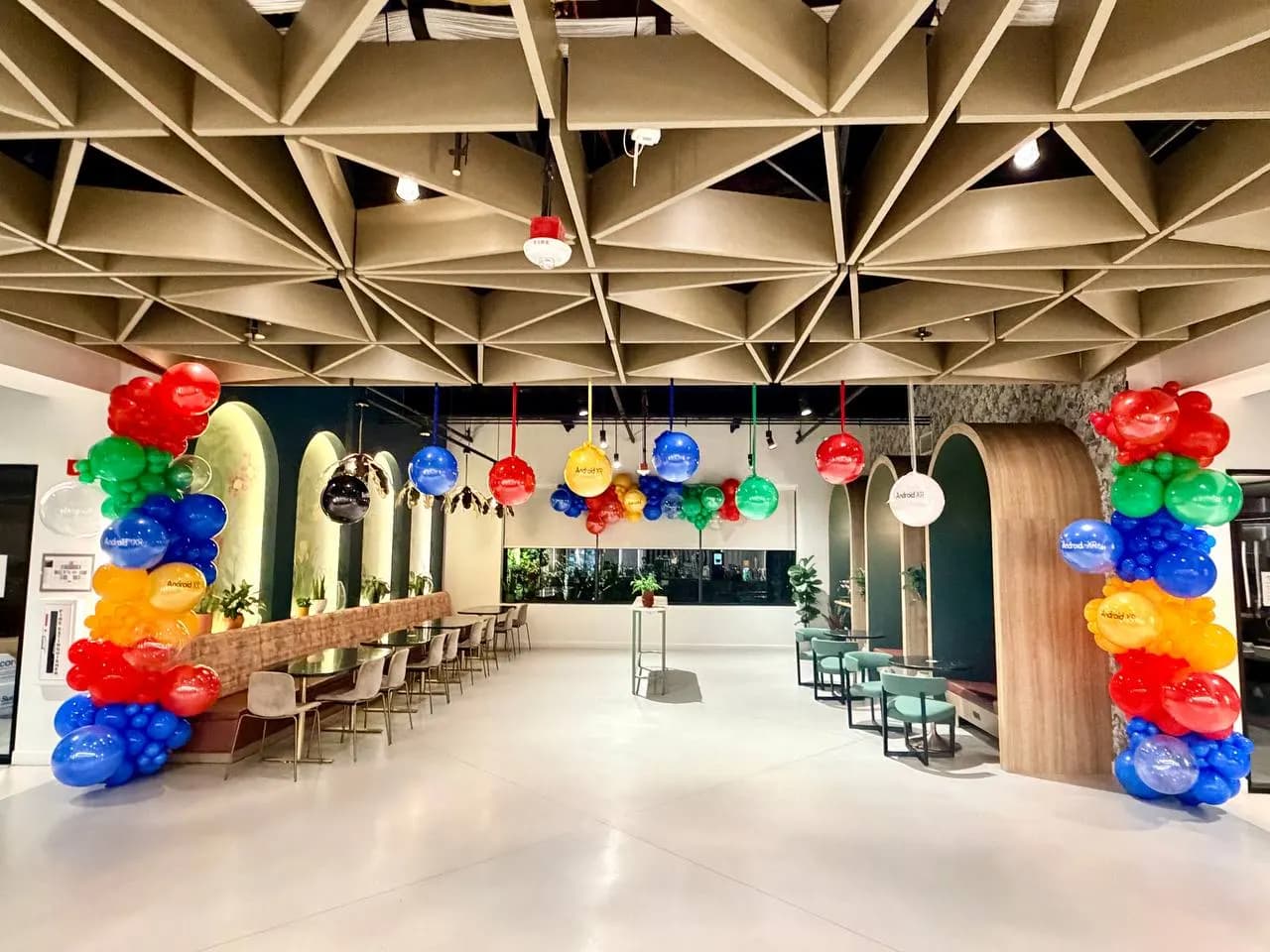
Balloon Décor recommends briefing a décor vendor six to eight weeks ahead for a conference or a launch at an external venue, four to six weeks for a grand opening or an office event, and two to three weeks for an internal team event. Shorter notice is workable. It narrows the design, limits custom colour, and moves the install into whatever window is left.
Based on Balloon Décor's own completed corporate installations across the San Francisco Bay Area. Ranges vary by venue, scale and season.
The deadline is set by the venue, not by the décor
The material itself is not the constraint. An organic garland can be built in a day. What takes weeks is everything the venue puts between a design and a finished installation: a load-in window that has to be requested, a certificate of insurance naming the right entity, a freight elevator that has to be reserved, a floor plan that has to be approved by whoever owns the room.
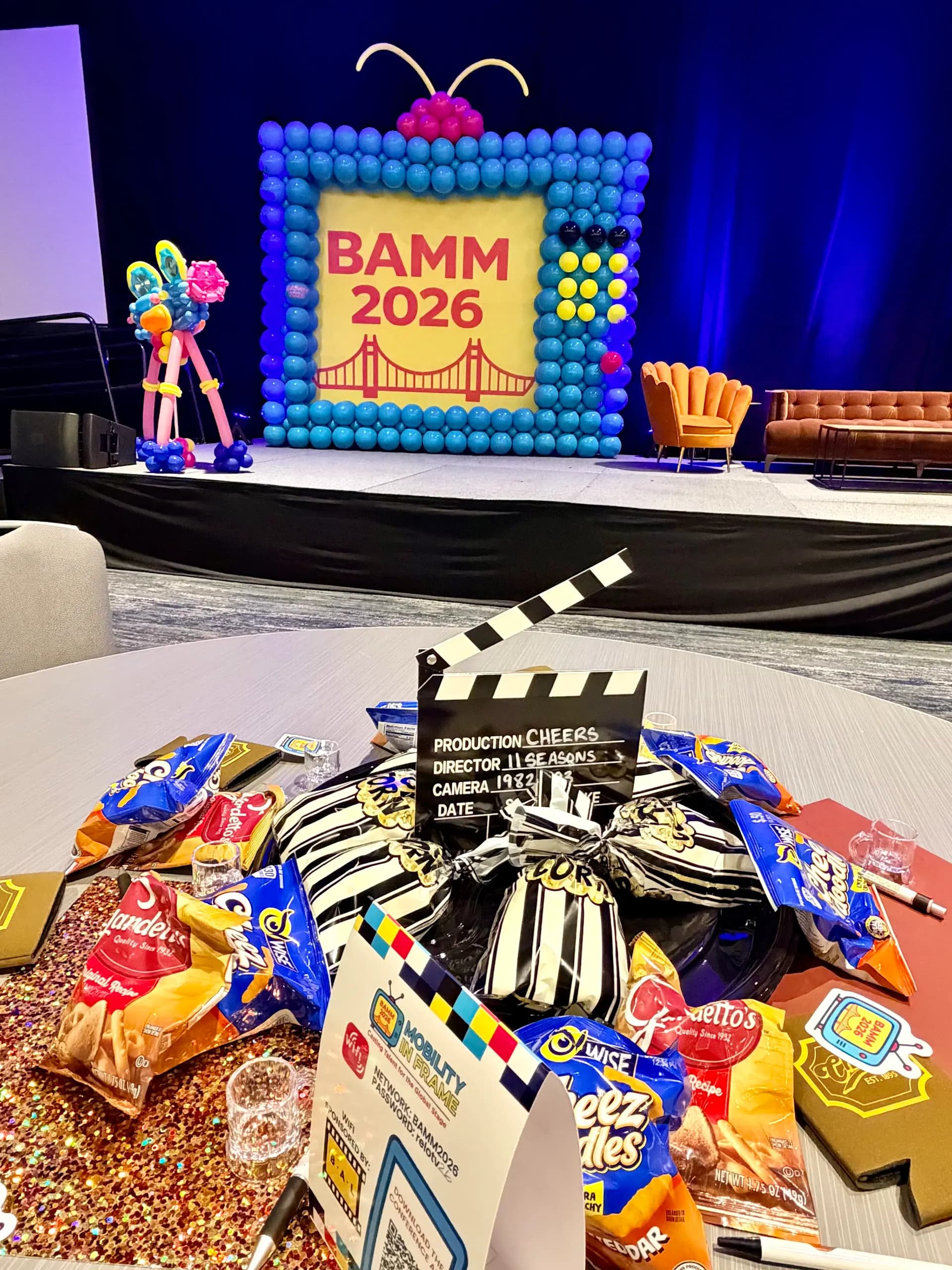
Hotels and conference centres are the strictest. The BAMM conference at the Hyatt Regency San Francisco Airport is a good example of the shape of that problem: a large-scale installation in a shared hotel space has to be built inside a window that the venue defines, around other events using the same doors on the same day. That window is negotiated, not assumed, and negotiating it is the part that needs notice.
An office is easier on paperwork and harder on people. A working floor has employees on it, a security desk that needs names in advance, and a building that may only allow deliveries before or after business hours.
Lead times by event type
Conferences, summits and large launches — six to eight weeks. These almost always sit in an external venue with a fixed load-in window, and they usually have the most design surface: entrance, registration, stage, photo moment. There is also a review cycle, because the décor sits inside a broader event brand that someone else owns.
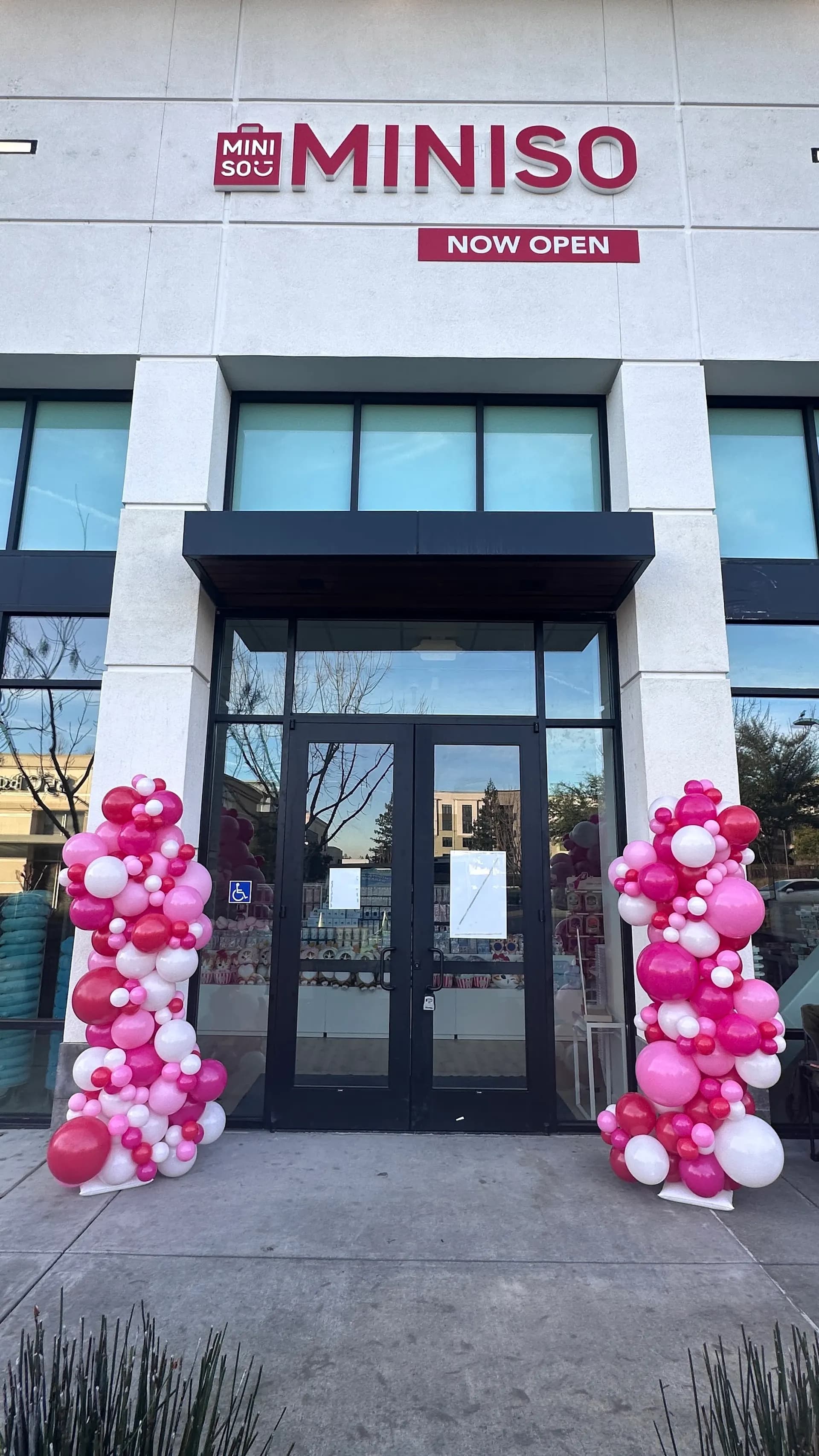
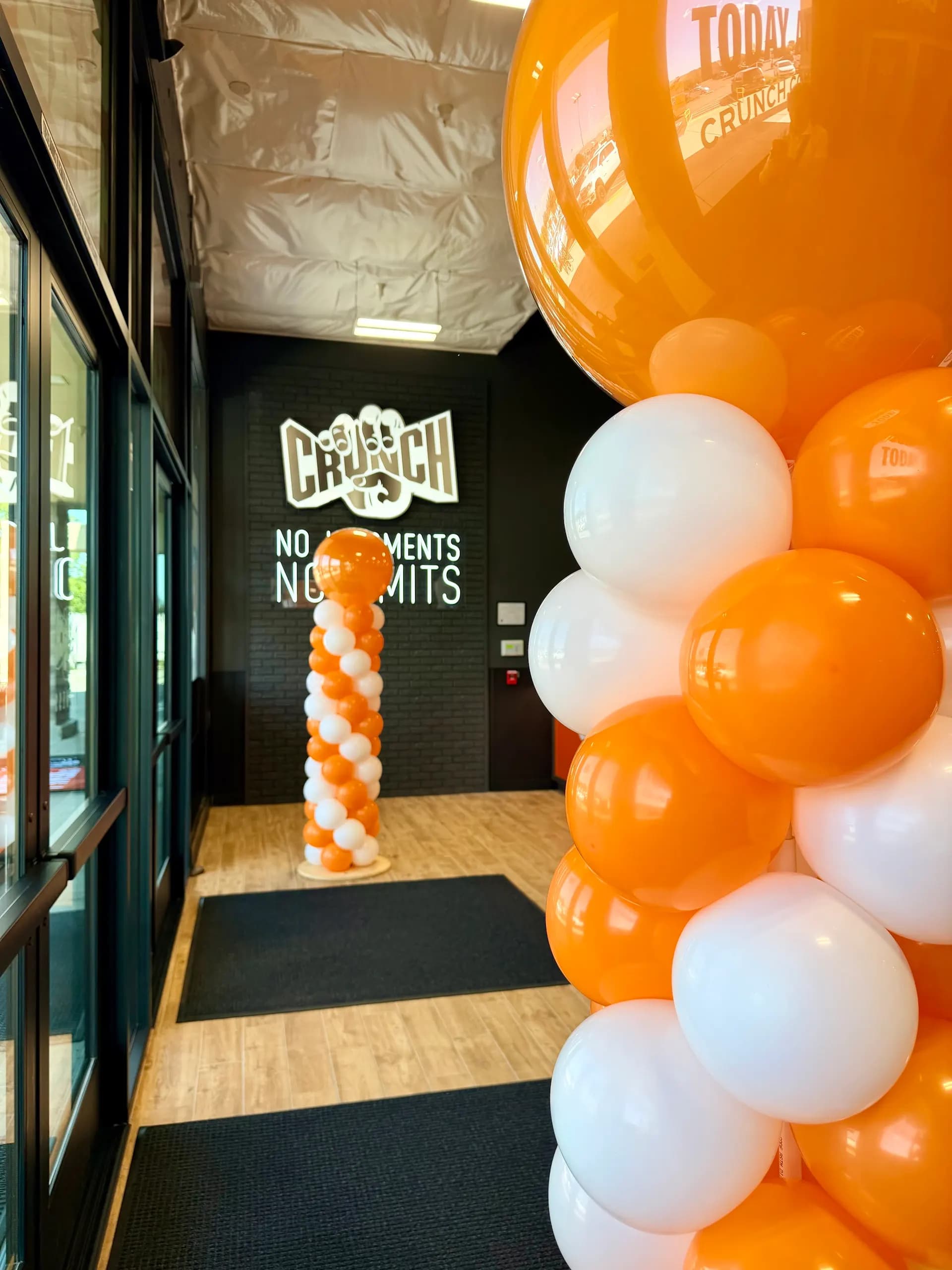
Grand openings and office openings — four to six weeks. The design is usually tighter and the site is usually yours. What eats the time is landlord or mall approval for anything visible from outside, and confirming that the installation does not obstruct an entrance or a fire exit.
Corporate galas, anniversaries and awards nights — four to six weeks. Venue rules apply again, plus a stage design that has to work with whatever the AV vendor is building.
Internal team events and all-hands — two to three weeks. Fewer approvals, a familiar space, and a design that can be adjusted late without a re-quote.
Anything in December — earlier than all of the above. Bay Area corporate calendars compress into a few weeks, install crews are booked across multiple events per day, and the constraint stops being design time and becomes crew availability.
What has to be decided before the clock actually starts
A booking date is not the same as a briefing date. The décor timeline starts when the vendor has enough to design against, which means five things:
- The date and the load-in window. Not the event start time — the time the room is available to build in.
- The venue and the exact space. "The Marriott" is not an answer. Which room, which entrance, which floor.
- What the décor has to do. An entrance that photographs, a stage backdrop that reads from the back of the room, a registration area that people can find. These produce different designs at different costs.
- Brand colours, with the actual brand guidelines attached. Hex values, not adjectives.
- Who signs off. One named person. A design that needs three approvals loses a week per round.
Teams that send all five in the first email usually get a proposal back that survives to install day. Teams that send a date and a vague brief spend the first two weeks converging on what the event actually is, and that time comes out of the design window, not out of the calendar.
What changes when notice is short
Short notice does not mean no décor. It means a different set of trade-offs, roughly in this order:
- Custom and printed elements go first. Anything that has to be produced and shipped — printed balloons, custom signage integration — has a supplier lead time that no amount of urgency removes.
- Exact brand-colour matching gets harder. Standard palette colours are held in stock. An unusual brand shade may need to be ordered, or approximated with the three-tone substitution approach used on branded installs.
- Scale gets capped by the install window. A large entrance installation built in a four-hour window needs more crew than the same design built overnight. When crew is the constraint, scale is the thing that flexes.
- Rush and after-hours labour is priced in. Compressed installs and late-night load-ins cost more than the same job on a normal schedule.
A launch event like the Google product launch and new office event in Santa Clara shows why the sequencing matters on the day: launch-day décor has to be finished before the first guest, the first camera and the first internal walkthrough, whichever comes earliest — and that is usually earlier than the published start time.
A working backwards schedule
For a conference or launch at an external venue, counting back from event day:
| Weeks out | What happens |
|---|---|
| 6-8 | Brief sent: date, venue, load-in window, objectives, brand guidelines, approver |
| 5-7 | Concept and written proposal returned |
| 4-6 | Design confirmed, colours locked, deposit and paperwork |
| 3-4 | Certificate of insurance issued to the venue, load-in window confirmed in writing |
| 1-2 | Final walkthrough of access route, delivery timing and crew list |
| 0 | Install inside the venue window, event, breakdown |
Compress it if you have to. Just compress it deliberately, and tell the vendor which of the four trade-offs above you are willing to make.
When to talk to a vendor even earlier
Two situations justify a conversation months out rather than weeks out. The first is a venue no one on the team has used before, where a décor vendor who has installed in that kind of space can tell you what the room will and will not allow before the contract is signed. The second is a recurring programme — a quarterly all-hands, a multi-site office rollout, a conference that runs every year — where one design decision made early gets reused several times.
If you are scoping any of those, our corporate event décor service for Bay Area companies covers design, installation and breakdown across San Francisco, the Peninsula, Silicon Valley and the East Bay, and the fastest way to get a real answer on timing is to request a corporate event proposal with your date and venue attached.
Written by Balloon Décor, a corporate event décor company serving San Francisco, the Peninsula, Silicon Valley and the wider Bay Area. About Balloon Décor.